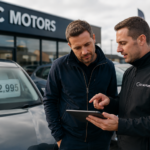


Selling a car is usually straightforward when it is in good condition. But when your vehicle has developed an engine fault, gearbox issue, electrical problem or has simply stopped running, the process can feel much more complicated. The good news is that you do not necessarily need to spend hundreds or thousands of pounds repairing a vehicle before selling it. There are specialist buyers, traders and automotive marketplaces interested in vehicles with mechanical faults, accident damage and other issues.
Many car owners immediately assume they need to spend a significant amount of money on repairs before they can sell. Others worry that no one will be interested in buying a vehicle with known problems. In reality, that is not always the case. If you are searching for We Buy Faulty Cars in the UK, there are now more options available than simply accepting a low scrap value. Platforms such as GCB Marketplace help connect sellers with relevant trade buyers, making it easier to find interest in vehicles that may not appeal to a typical private buyer.
Can You Sell a Faulty Car in the UK?
Yes, you can sell a faulty car in the UK, even if it has serious mechanical issues, accident damage or is no longer running. Many car owners assume that a faulty vehicle has little value, but that is not always true. Specialist buyers, traders and automotive businesses often purchase vehicles that require repairs, refurbishment, salvage or parts.
The key is to be honest about the condition of your vehicle and find a buyer who understands its potential value. Depending on the make, model, age and type of fault, your car may still attract interest from several different buyers.
1. Faulty Cars Can Still Have Value
A vehicle does not need to be in perfect working condition to be worth selling. Even cars with engine failure, gearbox problems, electrical faults or MOT issues may have value. Some buyers have access to specialist mechanics, replacement parts and repair facilities, allowing them to restore vehicles more cost-effectively.
2. Who Buys Faulty Cars?
There are several types of buyers interested in faulty vehicles. Specialist traders, repair garages, salvage operators and automotive marketplaces may all purchase cars depending on their condition. Businesses operating under the We Buy Cars with Mechanical Problems model often look specifically for vehicles that private buyers may avoid.
3. Honesty Helps You Get the Right Offer
When selling a faulty vehicle, being transparent about known issues is essential. Provide accurate details about mechanical faults, warning lights, accident damage and whether the car starts or drives. Clear information helps buyers assess the vehicle properly and can lead to a smoother selling process.
What Types of Faulty Cars Can Be Sold?
Almost any vehicle can be sold, even if it has developed serious mechanical or cosmetic problems. If you are looking to Sell My Faulty Car in the UK, the type and severity of the fault will influence its value, but it does not necessarily mean the vehicle has reached the end of the road. Specialist traders and buyers often look for repairable, damaged and salvage vehicles.
1. Cars with Engine Problems
Engine faults can range from relatively minor issues to complete engine failure. A specialist buyer may still be interested if the rest of the vehicle is in good condition.
2. Vehicles with Gearbox Issues
Automatic and manual gearbox problems can be expensive to repair. However, traders specialising in mechanical work may still see value in the vehicle.
3. Cars with Electrical Faults
Modern cars rely heavily on electronics. Problems involving sensors, warning lights, ECUs or wiring can be difficult for private owners to diagnose.
4. Non-Running Cars
A vehicle that does not start can still have resale value. The cause of the issue and the overall condition will influence what buyers are willing to pay.
5. Accident-Damaged Vehicles
There is a growing market for damaged vehicles. Searches such as We Buy Damaged Cars UK reflect the demand from buyers looking for repairable or salvage stock.
6. MOT Failures
An MOT failure does not automatically mean a car has reached the end of its life. The seriousness of the faults and repair costs will determine whether selling is worthwhile.
How to Sell My Faulty Car in the UK
If you are wondering how to sell my Faulty Car in the UK, the process does not have to be complicated. Even if your vehicle has engine problems, gearbox faults, electrical issues or accident damage, there are several ways to find a suitable buyer. The key is to understand your car’s condition, provide accurate information and explore the selling options available.
1. Check Your Car’s Condition
Start by identifying the known faults with your vehicle. You do not need to be a mechanic, but it helps to gather information about warning lights, mechanical issues, accident damage, MOT status and whether the car starts or drives.
2. Gather Important Vehicle Documents
Before selling, make sure you have relevant documents ready. This may include the V5C logbook, service history, MOT records, repair invoices and spare keys.
3. Get More Than One Offer
Different buyers may value a faulty vehicle differently. A specialist trader may see repair potential where another buyer only sees the cost of the fault. Taking time to Compare Car Buyers in the UK can help you understand your options and avoid accepting the first offer without considering other opportunities.
Choose the Right Selling Platform
Private selling, specialist car buyers and automotive marketplaces all offer different advantages. If you want a faster and more straightforward process, consider platforms that connect sellers with buyers who are specifically interested in faulty, damaged and repairable vehicles.
1. Be Honest About the Faults
Transparency is important when selling any faulty vehicle. Clearly explain known mechanical problems, electrical issues or accident damage. Honest information helps set realistic expectations and can make the sale process easier for both the seller and buyer.
2. Where Is the Best Place to Sell a Faulty Car?
Finding the Best Place to Sell a Faulty Car depends on your vehicle’s condition, how quickly you want to sell it and the type of buyer you want to deal with. A faulty car may not appeal to every private buyer, but specialist traders, car buyers and automotive marketplaces often look specifically for vehicles with mechanical problems, accident damage or repair requirements.
3. Private Car Buyers
Selling privately can sometimes give you more control over the asking price. However, it may take longer and require you to manage enquiries, viewings and negotiations. You will also need to be completely transparent about any known faults to avoid misunderstandings.
4. Specialist Faulty Car Buyers
Specialist buyers can be a practical option for vehicles with engine failure, gearbox issues, electrical faults or MOT problems. These businesses often understand the repair and resale potential of damaged or non-running vehicles. If you are searching for the Best Faulty Car Buyers in the UK, it is worth comparing their buying process, vehicle requirements and sale terms.
5. Automotive Marketplaces
Online automotive marketplaces can connect sellers with multiple trade buyers rather than relying on a single offer. This can be particularly useful for faulty, damaged, salvage and part-exchange vehicles. Platforms such as GCB Marketplace provide a trade-focused environment where buyers can review vehicle information and decide whether to bid or buy based on their requirements.
6. Compare Your Selling Options
Before making a decision, take time to Compare Car Buyers in the UK. Look beyond the initial offer and consider factors such as the selling process, payment arrangements, collection requirements and transparency of the terms.
How GCB Marketplace Helps Sellers and Trade Buyers
Selling a faulty, damaged or unwanted vehicle can sometimes be difficult when you are dealing with buyers who are only interested in cars in perfect working condition. At the same time, trade buyers need a reliable way to find suitable stock without spending hours searching through different sources.
GCB Marketplace brings these two sides together by providing a trade-focused marketplace for vehicles such as faulty, damaged, salvage and part-exchange cars. This can make it easier for sellers to reach relevant buyers while giving traders access to stock that matches their business requirements.
1. A Marketplace for Specialist Vehicle Stock
Not every faulty car is the same. One vehicle may need an engine repair, another may have accident damage, while another could simply require some mechanical work before it can return to the road. For sellers looking to Sell My Faulty Car in the UK, reaching buyers who understand this type of vehicle can be a more relevant option than relying solely on general private listings.
2. Helping Sellers Reach Relevant Buyers
One of the main advantages of a specialist marketplace is that sellers can potentially reach buyers who are already interested in trade stock. Instead of repeatedly explaining why a vehicle has a fault to unsuitable buyers, the marketplace creates an environment where vehicle condition and sale information are central to the buying process.
3. Supporting More Efficient Vehicle Disposal
Unwanted vehicles can take up valuable space and may become increasingly difficult or expensive to hold. By connecting sellers with ready trade buyers, GCB Marketplace can help reduce unnecessary delays and make vehicle disposal more efficient.
4. A Clearer Buying and Selling Process
Clear vehicle information is important when dealing with faulty and damaged stock. Buyers need to understand what they are considering before deciding whether to bid or buy. GCB Marketplace allows participants to review available vehicle details, condition information and sale terms, helping buyers make more informed decisions and giving sellers a clearer way to present their vehicles.
Why Trade Buyers Use GCB Marketplace
Trade buyers need a reliable source of vehicles that match their business requirements. Rather than searching across multiple channels, a dedicated marketplace can provide access to relevant stock.
1. Specialist Stock
Trade buyers can source faulty, damaged, salvage and part-exchange vehicles from sellers who want stock moved quickly. This creates opportunities for businesses that specialise in repairs, refurbishment, salvage or vehicle parts. Different buyers may be looking for completely different types of vehicles. A car unsuitable for one buyer could be valuable to another specialist.
2. Transparent Process
A clearer process benefits both sides. Buyers can review vehicle details, condition notes and sale terms before bidding, helping expectations remain clearer from the outset. This is particularly important with faulty vehicles because conditions can vary significantly. Providing accurate information about faults, damage and vehicle history helps buyers make better-informed decisions.
3. Verified Participants
Trade-focused access helps reduce wasted time and improves the quality of buyer and seller interaction. Verification can help create a more professional marketplace environment where participants understand the buying and selling process.
4. Faster Disposal
Holding unwanted stock can cost time, space and money. GCB connects sellers with ready buyers to improve stock turn and reduce friction in the disposal process. For businesses handling multiple part-exchange or damaged vehicles, a faster route to disposal can be particularly valuable.
How the GCB Marketplace Works
The process is designed around connecting verified participants with available vehicle stock.
Here is a simple overview.
Step 1: Register and Verify
Create your account and complete the required verification process.
Verification helps ensure you are ready to participate in the marketplace and interact with other verified users.
Step 2: Browse Live Stock
View available vehicles, read listing information carefully and track auctions that match your buying criteria.
Vehicle listings should always be reviewed carefully, especially when buying faulty or damaged stock.
Consider:
- Reported faults
- Vehicle condition
- Images
- Mileage
- MOT information
- Sale terms
- Collection requirements
Step 3: Bid or Buy
Place bids during the auction or use any available buy-it-now route where applicable.
Buyers should always consider repair costs and transport arrangements when deciding their maximum purchase price.
A lower purchase price does not automatically mean a better deal if significant repairs are required.
Step 4: Pay and Collect
Follow the marketplace payment process and arrange collection or transport within the required timeframe.
Efficient collection is important for both buyers and sellers, particularly when vehicles are occupying valuable space.
Live Auctions and Available Vehicle Stock
Live auctions allow verified buyers to browse current vehicles available through the marketplace.
For trade buyers, this can create access to a changing range of stock opportunities.
Rather than relying entirely on traditional vehicle sourcing methods, buyers can monitor available vehicles and focus on stock that matches their specific requirements.
This could include:
- Faulty vehicles
- Accident-damaged cars
- Salvage stock
- Part-exchange vehicles
- Repairable vehicles
For sellers, having access to buyers already interested in these types of vehicles can make the disposal process more straightforward.
Tips to Get a Better Offer for a Faulty Car
If you want to maximise your chances of receiving a fair offer, preparation matters.
1. Be Honest About the Faults
Trying to hide problems usually creates issues later.
Clearly explain what is wrong with the vehicle and provide any diagnostic information you have.
2. Take Good Photos
Photograph:
- Front and rear
- Both sides
- Interior
- Dashboard
- Damage
- Warning lights
- Engine bay where relevant
3. Gather Vehicle Documents
Have important information ready, including:
- V5C logbook
- Service history
- MOT information
- Repair invoices
- Spare keys
This can make the process smoother.
4. Compare Your Options
Do not rush into accepting the first offer. Take time to Compare Car Buyers in the UK and understand what each option includes.
5. Consider Specialist Buyers
General car buyers may not always offer the strongest value for a vehicle with serious faults. Specialist trade buyers may understand repair potential and therefore see value that others overlook.
Frequently Asked Questions About Selling Faulty Cars
1. Can I sell a car with engine problems?
Yes. Many specialist buyers purchase vehicles with engine faults. The value will depend on the severity of the problem and the vehicle’s overall condition.
2. Can I sell a non-running car?
Yes. Non-running vehicles can still have value for repair, salvage or parts.
3. Should I repair my faulty car before selling it?
It depends on the repair cost and potential increase in value. In some cases, selling the car as it is may be more financially practical.
4. How can I get cash for a faulty car in the UK?
You can approach specialist buyers or use a vehicle marketplace that connects sellers with relevant trade buyers. Always review the terms, payment process and collection arrangements.
5. What information should I provide when selling a faulty car?
Provide accurate details about the vehicle’s condition, known faults, mileage, MOT status, service history and any damage.
6. Who buys damaged and faulty cars?
Specialist traders, repair businesses, salvage operators and automotive marketplaces may all purchase damaged or faulty vehicles depending on their condition.
Final Thoughts
Selling a faulty car does not have to be a stressful or complicated experience. If you are looking to Sell My Faulty Car in the UK, the most important step is to understand your options rather than accepting the first offer you receive. Providing honest details about the vehicle, gathering its documents and taking time to Compare Car Buyers in the UK can help you make a more informed decision.
For trade buyers, finding the right stock is equally important. GCB Marketplace provides access to specialist vehicles, including faulty, damaged, salvage and part-exchange stock, while its trade-focused approach helps create a more efficient buying and selling process. Ultimately, the Best Faulty Car Buyers in the UK is one that connects you with genuine buyers who understand the condition and potential of your vehicle. By using a suitable marketplace and approaching the process with clear information, you can make selling your faulty car quicker, simpler and more straightforward.