

Having a car that no longer runs can be a real headache. Maybe the engine has failed, the battery is completely dead, the gearbox has packed up, or the car has simply been sitting on your driveway for months.
When an older vehicle starts developing one fault after another, it can become difficult to know whether you should keep spending money on it or simply move it on. You can avoid an unexpectedly large garage bill and do not need to spend weeks making the vehicle roadworthy before finding a buyer. This is why many people search for “Sell My Not Running Car in the UK” when they need a quick and affordable solution. The good news is that you don’t always need to repair a non-running vehicle before selling it. There are specialist buyers and vehicle marketplaces that are willing to purchase cars in a wide range of conditions, including faulty, damaged and non-running vehicles.
Can You Sell a Car That Doesn’t Run in the UK?
Yes, you can sell a car that doesn’t run in the UK. A vehicle doesn’t have to be mechanically perfect to have value. A non-running car may still be worth money because of its remaining parts, bodywork, components, age, model, condition and potential for repair or resale. Instead of spending money on repairs, you can explain the vehicle’s condition honestly and look for a buyer who specialises in purchasing faulty or non-running cars.
This can be particularly useful if:
- The engine has failed
- The battery is flat or the electrical system has failed
- The vehicle has been sitting unused
Why Repairing a Non-Running Car Before Selling May Not Be Worth It
When a car stops running, the first thought is often to take it to a garage and get it fixed before putting it up for sale. While repairing the vehicle can sometimes make sense, it is not always the best option. If the car has a serious mechanical or electrical problem, spending more time and effort on repairs can make the selling process more complicated.
1. Major Repairs Can Take Time
Engine failures, gearbox problems and complicated electrical faults are rarely simple fixes. Depending on the issue, your car may need several days or even weeks in a garage before it is ready to drive again.
2. Repairs Do Not Always Guarantee a Better Sale
Fixing one problem does not necessarily mean the car will be completely trouble-free. An older vehicle may have several underlying issues that become apparent once work begins.
3. You May Not Need to Make the Car Roadworthy
If you are selling to a specialist buyer, you may be able to sell the vehicle in its existing condition. A car that will not start, has failed its MOT or has a major fault can still be considered by buyers who deal specifically with non-running and faulty vehicles.
4. Avoid Unnecessary Hassle
Getting a non-running vehicle repaired can involve arranging recovery to a garage, discussing the fault with mechanics, waiting for parts and organising another collection once the work is completed.
5. Consider the Vehicle’s Condition Honestly
Before deciding to repair your car, look at its overall condition rather than focusing on just one fault. Consider its age, mileage, service history, bodywork and any other known problems.
Best Ways to Sell a Not Running Car in the UK
There are several ways to sell a non-running vehicle, but each option has advantages and disadvantages.
1. Sell to a Specialist Car Buyer
Specialist buyers are often the easiest option when you have a car that won’t start or cannot be driven. A buyer experienced in faulty vehicles understands that not every car is roadworthy. They may be able to arrange collection and assess the vehicle based on its actual condition.
This can save you the hassle of repairing the car, arranging transportation or dealing with multiple private buyers.
2. Sell Through a Vehicle Buying Marketplace
A vehicle buying marketplace can give you access to different types of buyers rather than relying on a single private buyer. This can be useful when you’re trying to Sell Non-Running Cars UK because different buyers may have different requirements for the vehicle.
You can provide information about the make, model, mileage, condition and reason why the car isn’t running. Buyers can then make an offer based on the information provided.
3. Sell the Car for Parts
If your vehicle has major mechanical damage, selling it for parts may be another option. Even when a car doesn’t run, components such as body panels, alloy wheels, interior parts, electronics and other usable components may retain value.
4. Scrap the Vehicle
Scrapping can make sense when a vehicle has very little resale value or is beyond economical repair. It’s worth comparing your options before making a decision.
Can You Sell a Car Without an MOT?
Yes, you can sell cars without MOT. A valid MOT isn’t necessarily required to sell a vehicle. However, you should be completely transparent about the vehicle’s MOT status. If the MOT has expired, tell potential buyers rather than suggesting that the car is roadworthy. If the car is not currently road legal, you may also need to arrange appropriate transportation rather than driving it to a buyer.
For a non-running vehicle, free collection can make the process much easier because you don’t have to worry about getting the car started or transporting it yourself.
How to Find the Best Buyers for Non-Running Cars
Finding the right buyer is important because not every buyer wants a vehicle that doesn’t run.
The Best Buyers for Non-Running Cars are generally those who regularly deal with faulty, damaged, unwanted and non-running vehicles.
Before accepting an offer, consider:
- Does the buyer clearly understand the vehicle’s condition?
- Is the collection available?
- Is vehicle collection free?
- Are there hidden charges?
- Is the offered price guaranteed?
- How quickly will you receive payment?
- Are the buyer’s terms clear?
- Do they have positive customer feedback?
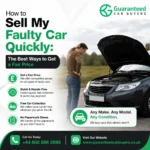
Sell Your Vehicle In 3 Easy Steps
Selling a non-running car doesn’t have to involve complicated paperwork, endless private adverts or expensive repairs. With a simple buying process, you can move from valuation to collection quickly.
Step 1: Instant Offer
Get a guaranteed price for your car in just a few minutes.
Provide the relevant details about your vehicle, including its condition. You can receive an offer without spending money on unnecessary repairs first.
Step 2: Book Pickup
Choose a convenient date and location for free car collection.
If your vehicle doesn’t start, there’s no need to worry about driving it anywhere. Arrange a convenient collection time and let the buyer handle the vehicle pickup.
Step 3: Get Paid
Receive instant payment when we collect your car — no delays.
Once the vehicle is collected and the agreed conditions are confirmed, you can receive your payment without waiting around for the car to be resold.
Sell My Non-Running Car Near Me: What Should I Look For?
When searching for Sell My Non-Running Car Near Me, it can be tempting to choose the first buyer you find. However, being nearby does not always mean that the buyer offers the best or easiest service. Before agreeing to sell, take a few moments to check what the buyer actually provides and whether they are experienced with non-running vehicles.
1. Look for Buyers Who Accept Non-Running Cars
Not every car buyer is interested in vehicles that cannot be driven. Some may only accept cars that are roadworthy and in good working condition. Look for a specialist buyer who clearly accepts non-running, faulty, damaged or unwanted cars. This can make the process much easier, particularly if your vehicle has a serious mechanical or electrical fault.
2. Check Whether Collection Is Available
If your car does not start, getting it to a buyer can be one of the biggest challenges. You may need to arrange a recovery vehicle or pay for transportation yourself. A buyer that offers free vehicle collection can save you this extra hassle.
3. Make Sure the Offer Is Clear
Before accepting an offer, make sure you understand exactly what has been offered for your vehicle. Provide accurate details about its condition, mileage, MOT status and any known faults. A trustworthy buyer should explain the process clearly rather than leaving you uncertain about what happens after you accept the offer.
4. Look at the Payment Process
It is also important to understand when and how you will be paid. Ideally, the payment process should be explained before collection takes place. A straightforward process where payment is made when the vehicle is collected can give you greater confidence and avoids unnecessary waiting.
5. Check the Buyer’s Reputation
Before selling your car, take a look at customer reviews and feedback. Previous customer experiences can tell you a lot about how a company handles offers, collections and payments. Look for signs of reliable communication, punctual collection and transparent dealings. If a buyer has consistently positive feedback, it can provide additional reassurance.
What Information Do You Need to Sell a Non-Running Car?
Selling a non-running car is usually straightforward, but providing the right information from the beginning can make the process much quicker. Buyers need to understand the vehicle’s condition before making an offer, particularly when the car cannot be driven or has a known mechanical problem.
You don’t need to have every technical detail about the fault. Simply provide honest and accurate information about the vehicle and explain what you know.
1. Vehicle Registration
Your registration number is normally one of the first details a buyer will ask for. It helps identify the vehicle and allows relevant information about the car to be checked.
2. Make, Model and Year
Provide the basic details of your vehicle, including its make, model, variant and approximate age. These details help a buyer understand what type of vehicle they are assessing.
3. Mileage
Let the buyer know the current mileage shown on the dashboard. If the vehicle has stopped running and you cannot confirm whether the mileage is accurate, explain this rather than guessing.
4. MOT Status
Let the buyer know whether the car currently has a valid MOT, has an expired MOT or has recently failed its MOT. This gives the buyer a clearer picture of the vehicle’s current condition. If you’re looking to sell a car without MOT, being upfront about the MOT status can help prevent confusion later in the process.
5. Overall Condition
Describe the general condition of the car, including the bodywork, interior, tyres and any visible damage. You don’t need to write a long technical report; a clear and honest description is usually enough.
6. Vehicle Documents
You should have the relevant vehicle documents available when selling. This may include the V5C registration document and other records you have for the vehicle.
Sell My Broken Car in the UK Without Repairing It
If you’ve been searching for Sell My Broken Car in the UK, you may be tempted to spend money getting the vehicle back on the road first. Before doing that, get an idea of its value in its current condition. A broken car isn’t automatically worthless. Depending on its make, model, age, parts and overall condition, it could still have a reasonable market value.
The important thing is to compare your options instead of automatically paying for repairs.
How to Sell a Faulty Car in the UK
If you want to Sell a Faulty Car in the UK, start by identifying the main problem and providing accurate details to potential buyers. Faulty doesn’t always mean the same thing as completely non-running. A vehicle could have an electrical fault, warning lights, a transmission issue, engine problems or another mechanical defect.
The more accurate your description, the easier it is for a specialist buyer to assess the car. You should also avoid spending money on cosmetic improvements if the vehicle has a major mechanical fault. Buyers who specialise in faulty vehicles are generally more interested in the car’s overall condition and potential value than a freshly polished exterior.
Why Choose Guaranteed Car Buyers?
When you have a car that no longer runs, selling it can feel like more trouble than it is worth. You may not want to deal with private buyers, repeated negotiations or the hassle of getting the vehicle repaired first. This is where Guaranteed Car Buyers can make the process much simpler.
1. Get a Clear Offer
A straightforward buying process means you can understand what your vehicle is worth without having to spend time advertising it privately. Simply provide accurate details about the car, including its condition and any known faults, and receive an offer based on the information provided.
2. Sell Your Car Without Repairs
One of the main benefits is that you don’t necessarily need to repair your vehicle before selling it. Whether the car has an engine problem, gearbox fault, electrical issue, accident damage or simply won’t start, specialist buyers may be able to purchase it in its current condition.
This is particularly useful if you’re looking to Sell a Faulty Car in the UK without taking on the stress of getting it back on the road.
3. Convenient Free Collection
A non-running car can be difficult to move, especially if it has been sitting on a driveway or is parked away from your home. With free collection, you can arrange a convenient date and location without having to organise separate vehicle recovery yourself.
4. No Unnecessary Delays
Once you’ve accepted the offer and arranged the collection, the process can be completed without lengthy negotiations or waiting for a private buyer to turn up. This gives you a simple way to move on from a vehicle you no longer need.
Frequently Asked Questions
1. Can I sell my car if it doesn’t start?
Yes. Non-running cars can be sold to specialist vehicle buyers, depending on their condition and the buyer’s acceptance criteria.
2. Can I sell a car with no MOT?
Yes. You can sell a vehicle without a current MOT, but you should clearly disclose its MOT status and avoid driving an unroadworthy vehicle.
3. Do I need to repair my car before selling it?
No. You don’t necessarily need to repair a non-running or faulty car before selling it. Compare the likely repair costs with the vehicle’s value in its current condition.
4. Can someone collect my non-running car?
Many specialist vehicle buyers offer collection services. If collection is included, you won’t need to arrange separate transportation for a vehicle that cannot be driven.
5. How can I get the best price for a non-running car?
Provide accurate information, compare offers and consider specialist buyers who regularly purchase faulty and non-running vehicles. Don’t automatically spend money on repairs before checking what the car is worth as it stands.
Final Thoughts
Whether you need to Sell My Not Running Car in the UK, have a car without an MOT, want to Sell My Broken Car Near Me, or are looking to Sell My Faulty Cars in the UK, the best approach is to understand your vehicle’s current condition and compare suitable buying options.
Most importantly, don’t assume that repairing the car will automatically give you a better return. In many situations, selling the vehicle honestly in its current condition can be quicker, simpler and more convenient.
With Guaranteed Car Buyers, an instant offer, free collection and prompt payment, selling a non-running or faulty vehicle can be a straightforward process — allowing you to turn an unwanted car into money without putting more money into repairs first.