

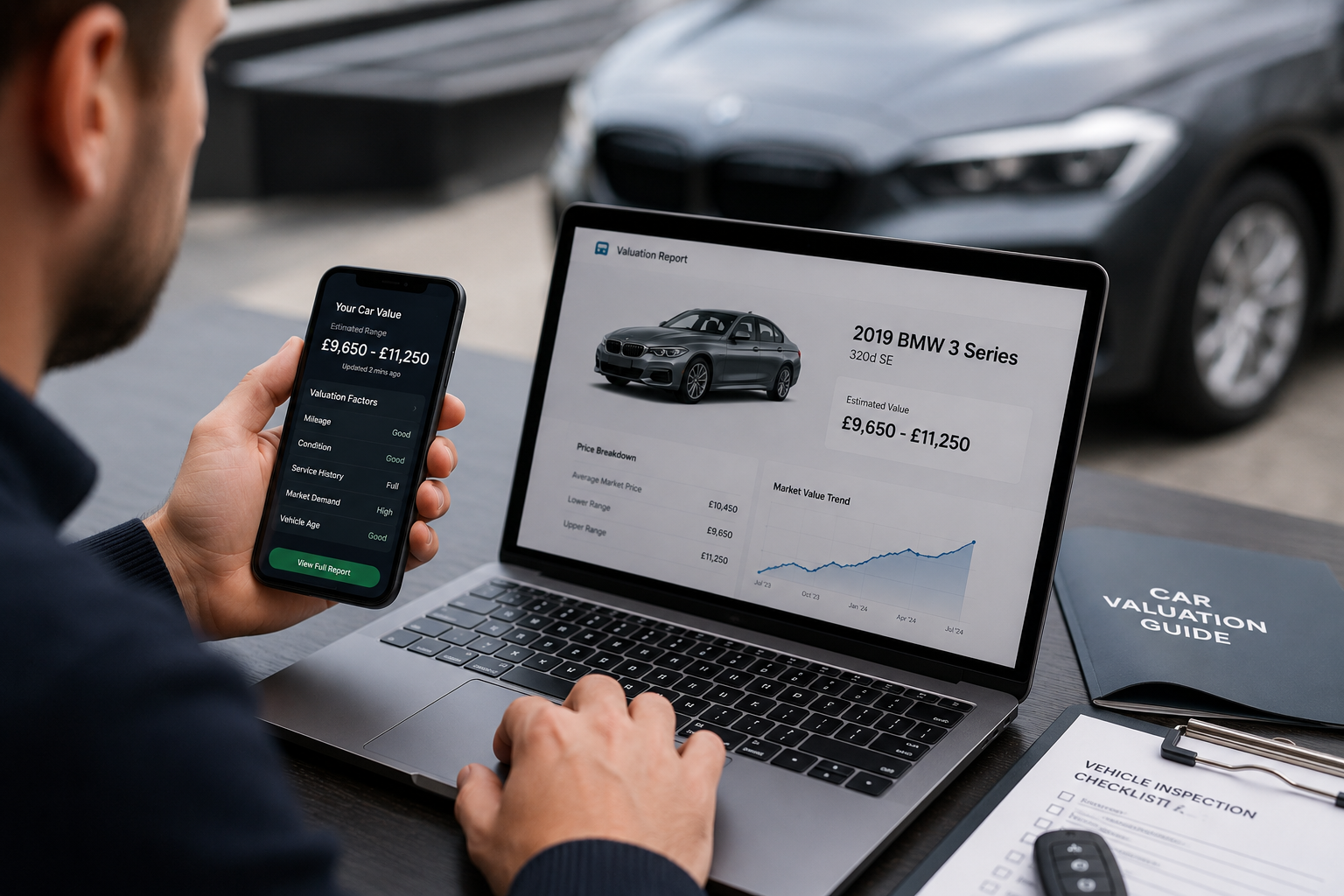
Knowing the true value of your car is one of the most important steps before selling, trading in, or upgrading to another vehicle. Yet many owners either overestimate or underestimate what their vehicle is worth, leading to unrealistic expectations or missed opportunities.
Vehicle valuation isn’t based on guesswork. Professional buyers and dealerships consider a range of factors that together determine how much a car is worth in the current market.
Whether you’re planning to sell today or simply curious about your vehicle’s value, understanding how valuations work will help you make better decisions and negotiate with confidence.
Why Accurate Vehicle Valuation Matters
A realistic valuation benefits both buyers and sellers.
Pricing your vehicle correctly helps attract genuine buyers, reduces the time your vehicle stays on the market, and increases the likelihood of receiving competitive offers.
An inflated asking price may discourage interest, while pricing too low could mean losing hundreds or even thousands of pounds.
Vehicle Age
Age is one of the biggest influences on a vehicle’s value.
New vehicles generally experience the greatest depreciation during their first few years. As a vehicle gets older, its value continues to decline, although well-maintained models may retain their worth better than others.
Luxury brands and vehicles with strong reliability records often depreciate more slowly.
Mileage
Mileage gives buyers an indication of how much a vehicle has been used.
Lower mileage generally increases value because it often suggests reduced wear on major mechanical components.
However, mileage isn’t everything. A higher-mileage vehicle with an excellent service history may still be worth more than a neglected low-mileage vehicle.
Vehicle Condition
The overall condition of the vehicle has a significant impact on its valuation.
Professionals assess:
- Bodywork
- Paint condition
- Interior wear
- Mechanical performance
- Tyre condition
- Windscreen damage
- Dashboard warning lights
Small cosmetic repairs can sometimes improve buyer confidence and positively influence offers.
Service History
A complete service history demonstrates that a vehicle has been maintained according to the manufacturer’s recommendations.
Vehicles with documented servicing typically receive stronger offers because buyers have greater confidence in their reliability.
Missing service records may reduce the vehicle’s perceived value.
MOT History
A clean MOT history reassures buyers that the vehicle has been maintained responsibly.
Repeated failures for the same issues or long periods without MOT records may raise concerns.
Keeping maintenance up to date helps preserve resale value.
Vehicle Specification
Not all vehicles of the same model are worth the same amount.
Features that can increase value include:
- Leather seats
- Satellite navigation
- Heated seats
- Panoramic roof
- Adaptive cruise control
- Parking cameras
- Premium audio systems
Higher trim levels generally command better prices.
Market Demand
Vehicle values constantly change based on supply and demand.
Popular family SUVs, economical hatchbacks, and reliable hybrid vehicles may hold their value better during periods of strong demand.
Seasonal trends can also influence pricing.
Accident History
Previous accident damage doesn’t automatically make a vehicle undesirable, but it can affect its value.
Professional repairs with supporting documentation are viewed more positively than undocumented repairs or unresolved damage.
Transparency builds buyer confidence.
Number of Previous Owners
While multiple previous owners don’t necessarily indicate a poor vehicle, buyers often view cars with fewer owners as more desirable.
A well-maintained vehicle remains more important than the ownership count alone.
Colour
Vehicle colour can surprisingly influence resale value.
Neutral colours such as:
- Black
- White
- Grey
- Silver
- Blue
typically appeal to a wider audience.
More unusual colours may take longer to sell.
Modifications
Aftermarket modifications don’t always increase value.
Performance upgrades, lowered suspension, or cosmetic alterations may reduce buyer interest if they limit the vehicle’s appeal or raise insurance costs.
Factory-original vehicles generally attract a broader market.
Documentation
Having complete documentation makes the selling process smoother.
Important documents include:
- V5C logbook
- MOT certificates
- Service records
- Maintenance invoices
- Spare keys
- Owner’s manual
Complete paperwork gives buyers greater confidence.
How to Maximise Your Car’s Value
Before requesting a valuation, consider:
- Cleaning the vehicle thoroughly
- Repairing minor cosmetic damage
- Removing personal belongings
- Checking tyre pressures
- Replacing broken bulbs
- Organising service documents
Presentation can make a noticeable difference during an inspection.
Should You Accept the First Offer?
Not always.
Different buyers may assess vehicles differently depending on market demand, stock requirements, and business models.
Comparing multiple offers helps ensure you’re receiving a fair market value.
Final Thoughts
Understanding how your vehicle is valued allows you to approach the selling process with realistic expectations and greater confidence.
Age, mileage, condition, service history, market demand, and vehicle specification all contribute to your car’s overall worth. While no two valuations are identical, maintaining your vehicle and keeping accurate records can significantly improve its resale value.
Whether you’re preparing to sell today or simply planning ahead, knowing what influences your vehicle’s value is the first step towards making informed decisions and achieving the best possible outcome.